March 18th, 2020

Over time, everyone’s teeth can naturally become dull, due to aging and consumption of staining foods such as chocolate and coffee. The good news is that teeth-whitening treatments can help you maintain white teeth that last a lifetime.
Get Regular Treatments
Regular treatments at Blue Stone Dental are necessary to keep your teeth white for life, since whitening treatments are only temporary. Bleaching too frequently, however, can wear away your tooth enamel.
The effects of in-office bleaching are safe and can last for several months to a year. You may need to repeat your use of at-home bleaching kits every few months to maintain your white teeth. As far as day to day, whitening toothpastes are safe to use on a daily basis. The American Dental Association suggests you ask your dentist for advice on which treatment is best for you.
Have Realistic Expectations
Everyone’s teeth are different and, according to the American Dental Association, not all smiles can be turned bright white. Teeth can naturally be a light yellowish color that responds well to teeth-whitening procedures, but bleach is not likely to be effective for grayish teeth. Results for brownish teeth fall somewhere in between.
Practice Good Oral Hygiene
Good hygiene is imperative for teeth-whitening efforts. Visible fillings, implants, or bridges that are metallic can be visible against the white color you desire. These treatments can be prevented by maintaining a good oral hygiene routine.
In addition to brushing your teeth twice a day to remove dirt and potential staining agents, keep the following tips in mind:
- Floss every day
- Visit our Keller, TX office every six months
- Rinse your mouth with water after each meal and snack
- Limit sugary and starchy foods and beverages, especially between meals
March 4th, 2020

Capturing the Moment
At Blue Stone Dental we know that just about anyone who has taken on the challenge of planning her own wedding could tell you how important the little details can be. Things like having complementary colors, the right location, show-stopping flowers, and delicious food are all a big part of planning your spring wedding. Another little detail that has a big "I do" related role? Your smile.
Whether you’re the bride, or an attendant, looking your best when you tie the knot (or help someone tie the knot) is essential. If your teeth aren’t ready to make an entrance, turning to one of the many available teeth whitening solutions is a great option.
Reliable Solutions
Before the wedding day arrives, you should take your smile into consideration. If diet and daily wear-and-tear have caused your teeth to lose their original luster, our team can help! In-office procedures do cost more than kits you use at home, but with an in-office treatment, you benefit from a professional taking proper care of your teeth.
In addition, relying on our office to handle teeth whitening before the wedding can give you access to trustworthy advice on how to keep your teeth looking their best for a longer period of time. It’s common for someone experienced in assisting people with their oral health to suggest investing in an in-office whitening technique and then following up with a teeth-whitening kit at home.
This is a season of new beginnings and beauty. Take the time to bring out your most beautiful smile before the big day. Don’t let your smile hold you back on your wedding. With our in-office teeth whitening, you can be sure that you’ll be more confident and comfortable interacting with friends and family. So remember, when in need of some quality oral care in Keller, TX to think of Drs. Jay Corley and Rebecca Lauck!
February 26th, 2020

Oral-systemic health is the idea that oral health is a critical and interconnected component to a patient’s overall health and well-being. Studies show that people who have poor oral health are more likely to have other health conditions such as heart disease, diabetes, or a high likelihood of stroke.
Some of the data suggests that oral pathogens may trigger up to 50% of heart attacks, and that the oral bacteria P. gingivalis may cause a 13.6-fold increase in patients’ risk of a heart attack.
Still, the exact relationship between oral and overall health isn't fully known — whether one causes the other or how treating one might affect the other. But it should serve as a warning call to anyone suffering with poor oral health, especially periodontal disease.
More studies need to be conducted to establish the precise link between the two, but whatever it is, one thing is certain: good oral hygiene makes for good oral health. Many dentists and doctors realize the need to work together as a cohesive healthcare team to improve and maintain the health of their communities.
The American Dental Association says oral health is essential to overall health, and not just a luxury. They are setting goals to reduce the amount of tooth decay in low-income communities for both children and adults.
So what is a patient about this information regarding oral-systemic health? Here are some tips to increase and maintain your overall well-being:
- Have an effective oral hygiene routine. Brush twice a day for two minutes each time, floss daily, clean your tongue, and avoid sugary beverages.
- Visit your dentist regularly. Regular cleanings and checkups at your dentist’s office will keep your mouth clean and ensure you’re taking good care of it.
- Eat a healthful diet. A diet rich in fruits, vegetables, whole grains, and natural, unprocessed foods contributes to the overall health of your body.
- Stay hydrated. Drink plenty of pure, clean water throughout the day. A good rule of thumb is to drink eight eight-ounce glasses a day.
- Relax, destress. Stress can play a big role in all forms of disease. Take time during your day to relax, meditate, stretch, and allow your body and mind to rest.
If you have questions about your oral health and how it may be affecting your general health, feel free to ask Drs. Jay Corley and Rebecca Lauck during your next visit to our Keller, TX office.
15.00
February 19th, 2020

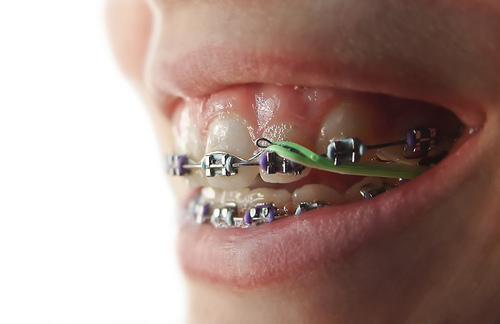
At Blue Stone Dental, there are a few things we want to remind you of when you're on vacation, so that a day with friends and family won’t be spent dealing with an orthodontic emergency. Firstly, we are here for you whether you are in town or out of town on vacation. Give us a call and we may be able to address the problem over the phone. Second, if we are unable to help you fix the problem over the phone, we will help you find an orthodontic practice in your vacation area that can help you.
If you experience problems reaching our office, we suggest going online and searching for orthodontic practices in your area. Most orthodontists will lend a helping hand to another orthodontic patient and get them out of pain or discomfort.
If you have braces, whether they are metal, ceramic, or lingual, Drs. Jay Corley and Rebecca Lauck and our team suggest steering clear of the following foods to avoid broken brackets and/or wire distortion while you are on vacation:
- Chewy, sticky, or gummy food
- Apples, pears and other whole fruits (cut fruit into thin wedges before consuming)
- Bagels and hard rolls
- Bubble gum
- Corn on the cob
- Hard candies
- Hard cookies
- Pretzels
- All varieties of nuts, including peanuts, almonds, and cashews
Finally, if you have clear aligners and you lose your tray, don’t worry! Simply put in either the previous tray or the next tray and contact us as soon as you get home!
Follow these tips and you can have a worry-free vacation!